
TLDR
- Kenya is seeking World Bank emergency funding as global shocks push fuel and food costs higher across the economy.
- The Iran war has disrupted exports like tea and flowers, affecting Kenya’s foreign exchange earnings.
- Remittances from the Middle East may decline, adding pressure to household incomes and economic stability.
- Ongoing IMF talks face delays due to differences over how Kenya accounts for future tax revenues.
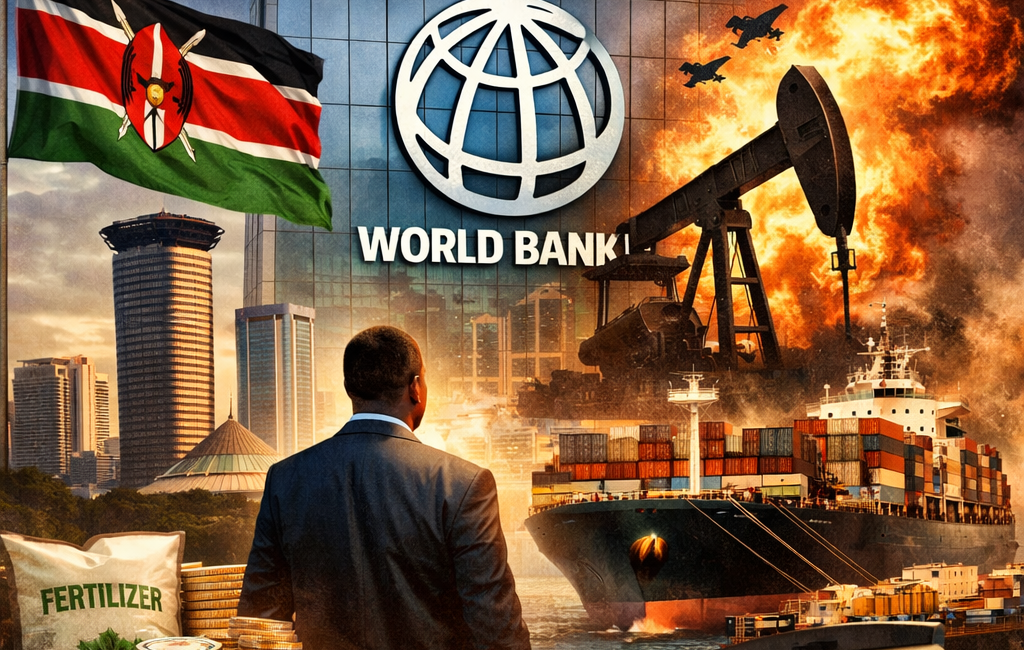
Kenya is seeking emergency financial support from the World Bank as the global economic strain linked to the Iran conflict continues to spread. The government aims to secure quick funding to stabilize rising costs and protect key sectors under growing external pressure. 17 Apr 2026
Kenya turns to rapid financing amid global strain
Kenya has opened talks with the World Bank to access emergency funds through a rapid financing facility. The request comes as global markets react to the ongoing US-Israel conflict involving Iran. Authorities expect quick disbursement if the request is approved within the current financial year.
Central Bank Governor Kamau Thugge confirmed that discussions are already underway in Washington. He noted that the facility allows access to up to 10% of undisbursed funds from an existing $1.2 billion program. This mechanism avoids lengthy approval processes, allowing faster release of funds.
The development follows reports shared on social platform X, where Bloomberg stated that Kenya is pursuing urgent support. The post pointed to economic pressure caused by the conflict, which has disrupted global trade flows and raised commodity prices.
Fuel prices in Kenya have already climbed to their highest levels in three years. At the same time, food prices are expected to rise due to increased fertilizer costs. These shifts are placing added strain on households and businesses across the country.
Authorities are also assessing how much funding can be withdrawn from the facility. Discussions with the World Bank are focused on determining the exact amount needed to stabilize the economy. The government aims to act quickly before further price increases take hold.
Export pressures and IMF talks continue
The conflict is also affecting Kenya’s export sector, particularly tea and flower shipments. These industries rely heavily on stable global demand and smooth logistics channels. However, disruptions linked to the conflict have started to weigh on export volumes.
Remittances present another area of concern for policymakers. Around 10% of Kenya’s remittance inflows come from the Middle East. Any slowdown in that region could reduce foreign currency inflows, adding pressure on the country’s balance of payments.
At the same time, Kenya remains in talks with the International Monetary Fund for a new financial program. The previous arrangement ended earlier than expected, leaving room for renewed discussions. Officials have not provided a timeline for reaching a new agreement.
Differences between Kenya’s Treasury and the IMF have slowed progress. The disagreement centers on how future tax revenues tied to infrastructure projects should be recorded. The IMF considers them as sovereign debt, while Kenyan authorities hold a different view.
Governor Thugge stated that the issue is transparent and not hidden from public records. He explained that both sides are aware of the accounting differences and continue to engage. Talks remain ongoing as both parties work toward a possible agreement.
Meanwhile, global financial institutions are warning that more African nations may seek assistance. The International Monetary Fund has projected increased demand for support due to the broader economic strain. Kenya’s current move reflects this wider trend across the region.