
TLDR
- WTI crude oil surged 23% since April 17, nearing $100 as supply concerns intensified across global markets
- Only seven ships crossed the Strait of Hormuz, far below the daily average of over 120 vessels
- Iran-US talks remain stalled after rejection of a proposal to delay nuclear negotiations
- Lack of oil shipments through Hormuz tightened supply, supporting continued strength in crude prices
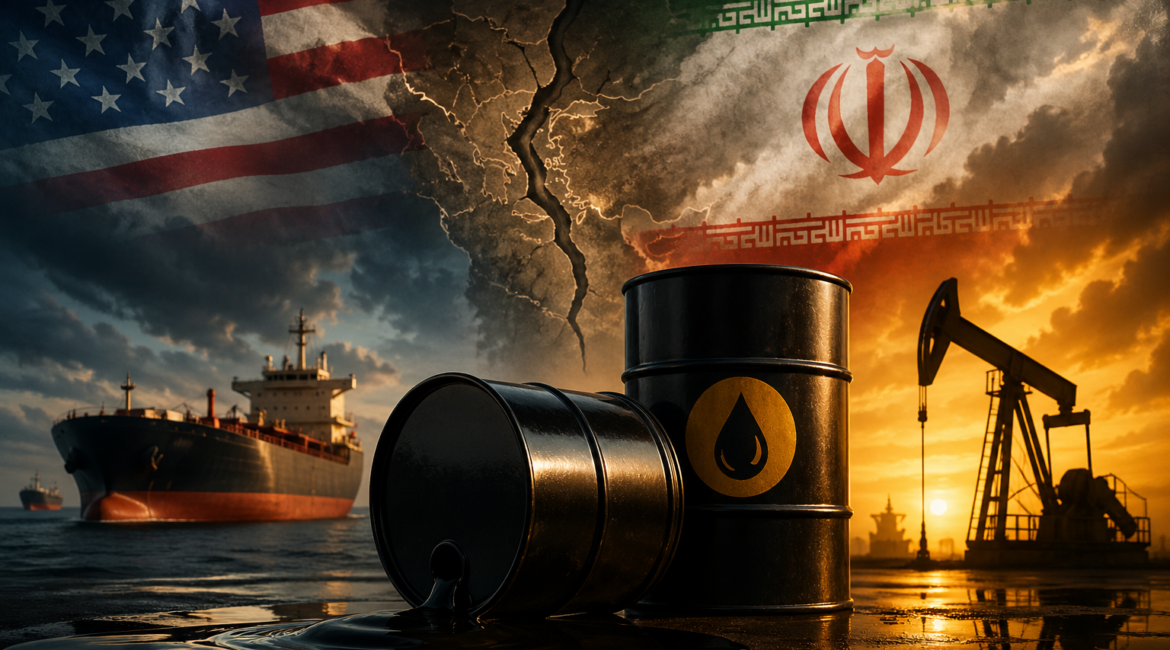
Global oil prices climbed sharply as supply disruptions tightened market conditions and stalled diplomacy raised uncertainty. WTI crude oil approached the $100 mark again, supported by reduced shipping activity and a lack of progress in ongoing negotiations involving Iran and the United States.
Supply Disruptions Drive WTI Crude Oil Higher
Market attention shifted after a tweet from Global Markets Investor detailed the latest developments. The post reported that WTI crude oil surged 23% from its April 17 low, nearing $99 per barrel. Brent crude also moved higher, trading at $105 per barrel during the same period.
The update linked the rally in WTI crude oil to stalled diplomatic efforts. Former U.S. President Donald Trump rejected Iran’s recent peace proposal. The proposal suggested pausing nuclear discussions until the conflict ends and shipping routes stabilize. However, the United States maintained that such conditions were not acceptable.
As a result, tensions remained elevated. Iran’s Foreign Minister Abbas Araghchi traveled to Russia and later to Islamabad. These visits aimed to advance negotiations, yet no agreement has emerged so far. This lack of progress kept markets on edge, supporting higher prices for WTI crude oil.
At the same time, supply concerns intensified due to reduced maritime activity. The Strait of Hormuz, a key route for global oil shipments, saw a steep decline in traffic. Only seven ships crossed the strait in one day, compared to a typical range of 125 to 140 vessels.
Notably, none of these ships carried oil destined for global markets. This sharp drop in shipments added pressure to supply chains. Consequently, traders responded by pushing WTI crude oil prices higher as availability tightened.
Strait of Hormuz Blockage Adds Market Pressure
The continued blockage of the Strait of Hormuz remained a central factor in price movements. With no clear timeline for reopening, uncertainty persisted across global energy markets. This situation supported both WTI crude oil and Brent crude gains.
Shipping disruptions also limited the flow of crude to major importers. As fewer vessels moved through the strait, supply constraints became more visible. This trend reinforced upward momentum in WTI crude oil pricing.
Meanwhile, diplomatic channels showed little movement. Talks between involved parties remained far apart, with no immediate breakthrough expected. This ongoing deadlock contributed to sustained market tension.
In addition, the absence of oil shipments from the strait further tightened supply expectations. Traders monitored vessel activity closely, using it as a key indicator of market direction. Reduced crossings signaled continued strain on supply lines.
As a result, WTI crude oil remained near the $100 level, reflecting both geopolitical tension and logistical challenges. Brent crude followed a similar path, reaching levels not seen since the ceasefire period began.
Overall, the combination of stalled negotiations and disrupted shipping kept energy markets active. With the Strait of Hormuz still restricted, WTI crude oil continued to trade at elevated levels. Market participants remained focused on any changes in diplomacy or shipping activity that could shift the current trend.