
Key Insights:
- Russia proposes a 70-mile undersea tunnel from Russia to Alaska with a dramatically reduced cost of $8 billion.
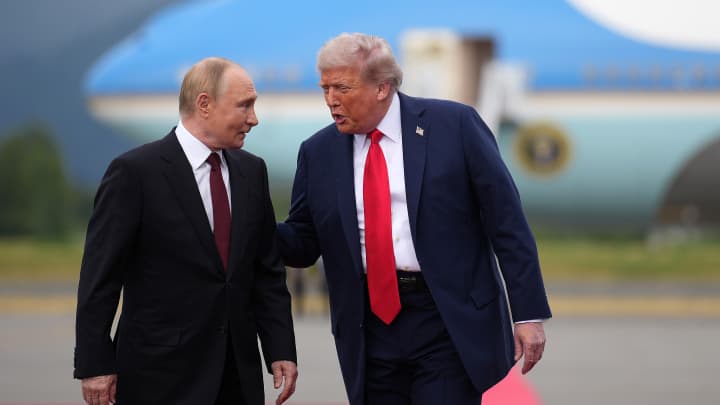
- The project, dubbed the “Putin-Trump Tunnel,” follows recent talks between Trump and Putin about trade relations.
Russia Proposes Tunnel Project to Elon Musk
Russia has made an unusual request to Elon Musk. Kirill Dmitriev, a top Russian investment official, proposed that Musk’s Boring Company build a 70-mile undersea tunnel from Russia to Alaska. The ambitious project has been dubbed the “Putin-Trump Tunnel.” Dmitriev claims that the cost of the tunnel could be reduced from $65 billion to just $8 billion with the help of Musk’s technology.
The proposal follows a recent call between Russian President Vladimir Putin and former U.S. President Donald Trump regarding post-war trade relations. Dmitriev’s suggestion has sparked interest due to its audacity and potential impact on global infrastructure.
The Proposed Tunnel’s Design and Cost Reduction
The undersea tunnel, stretching from Russia to Alaska, would cross through freezing waters and earthquake-prone areas. Dmitriev believes that the cost of such a project could be dramatically lowered using the Boring Company’s technology. He has suggested that Elon Musk’s expertise in tunnel construction could make the project both feasible and affordable.
Musk’s company, the Boring Company, has previously worked on tunnel construction projects aimed at reducing traffic congestion. Dmitriev’s pitch envisions a more ambitious project—an undersea tunnel connecting two continents. “This could be done at a fraction of the original cost,” he said.
The Tunnel’s Potential and Global Implications
The tunnel, if realized, would be an engineering marvel. It could improve trade and travel between Russia and the United States, especially in a post-war context. However, the project also faces considerable logistical and technical challenges, including extreme weather conditions and the risk of natural disasters.
Despite these obstacles, the proposal reflects Russia’s ambitious vision for international cooperation and economic growth. Dmitriev’s plan would not only connect two continents but could also set a new precedent for future infrastructure projects.