
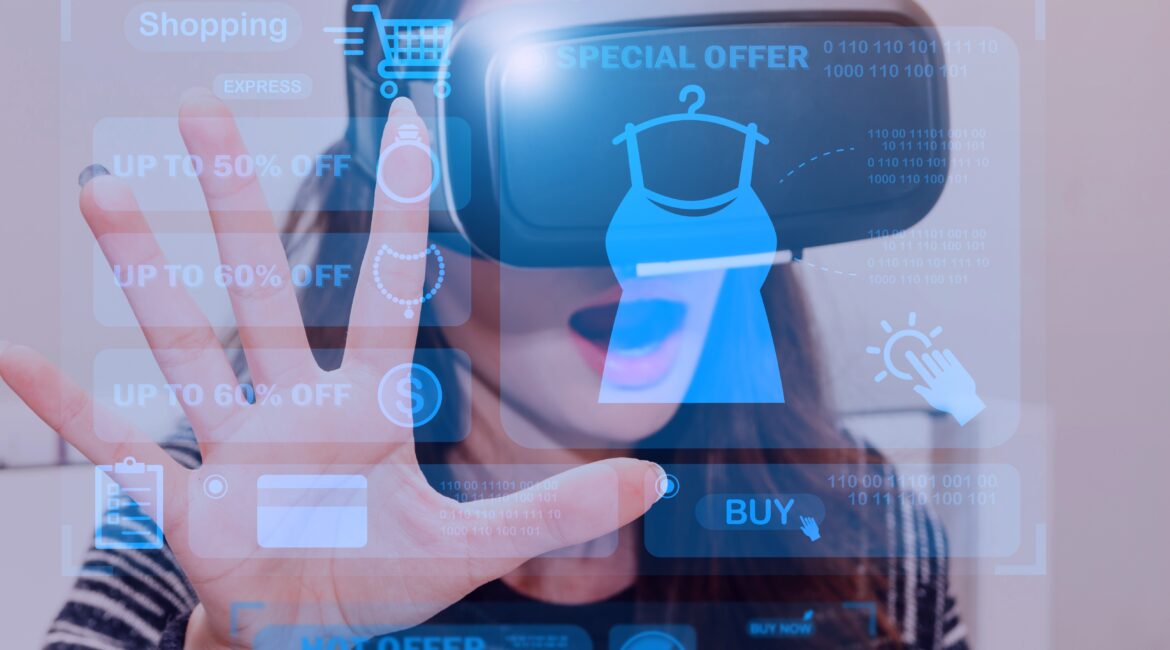
Technological advancements continue to redefine the shopping experience, offering unprecedented convenience and immersion for consumers.
The latest frontier in this evolution is the metaverse, a collective virtual space where the digital and physical realms converge. As the community sinks into 2024, the retail industry is poised to embrace the metaverse and its associated technologies, such as digital twins, to enhance operational efficiencies and create engaging consumer experiences.
The Metaverse in Retail: A New Horizon
The concept of the metaverse, a term that evokes images of limitless virtual worlds, is rapidly transitioning from a speculative idea to a tangible platform that retailers can leverage. This digital universe allows users to interact with computer-generated environments and other participants in real-time, offering a new dimension to the shopping experience.
As economic pressures persist, retailers are increasingly turning to advanced technologies like the metaverse to streamline operations and remove barriers to the customer experience.
Digital Twins
One of the most promising applications of metaverse technology in retail is the use of digital twins. These digital replicas of physical entities, processes, or systems are created using data from sensors, IoT devices, and other sources. For retailers, digital twins offer real-time visibility into supply chain processes, inventory, production, and distribution, enabling them to identify bottlenecks, optimize logistics, and reduce lead times. Moreover, the immersive nature of the metaverse allows for the creation of virtual stores and showrooms, providing customers with a unique opportunity to explore and interact with products in a simulated environment.
The Role of AR and VR in Retail Transformation
Augmented Reality (AR) and Virtual Reality (VR) are at the heart of the metaverse, offering immersive ways for consumers to engage with retail brands. Major retailers like Hugo Boss, Walmart, and Amazon have already begun to explore these technologies, allowing customers to virtually try on clothing and experience products in a digitally enhanced reality.
This extends the pioneering work of companies like IKEA, which leveraged AR to revolutionize furniture shopping. As AR and VR technologies continue to evolve, they promise to deliver more realistic and engaging experiences, further blurring the lines between the physical and digital shopping realms.
Overcoming Challenges and Looking Ahead
Despite the exciting potential of the metaverse in retail, challenges remain in achieving widespread adoption. Technical limitations, accessibility issues, and the need for realistic, scalable graphics have been significant hurdles.
However, advancements in AI and computer vision are beginning to address these challenges, enabling the creation of high-fidelity avatars and more lifelike virtual environments. As these technologies mature, the metaverse is expected to become an increasingly integral part of the retail experience, offering new avenues for customer engagement and operational efficiency.
The Future of Retail in the Metaverse
As we look to the future, the metaverse holds the promise of transforming the retail industry in profound ways. From virtual prototyping and testing of products to immersive customer experiences and efficient supply chain management, the possibilities are vast. Retailers that embrace these technologies can expect to not only enhance their operational efficiencies but also create memorable and engaging experiences for their customers.
The metaverse represents a significant shift in the retail industry, offering innovative solutions to age-old challenges and opening up new opportunities for customer engagement. As technology continues to evolve, the metaverse and its associated tools like digital twins, AR, and VR will play a crucial role in shaping the future of retail. Retailers that stay ahead of these trends can look forward to a future where the shopping experience is more immersive, efficient, and tailored to the needs of the modern consumer.
Editorial credit: Shutterstock