
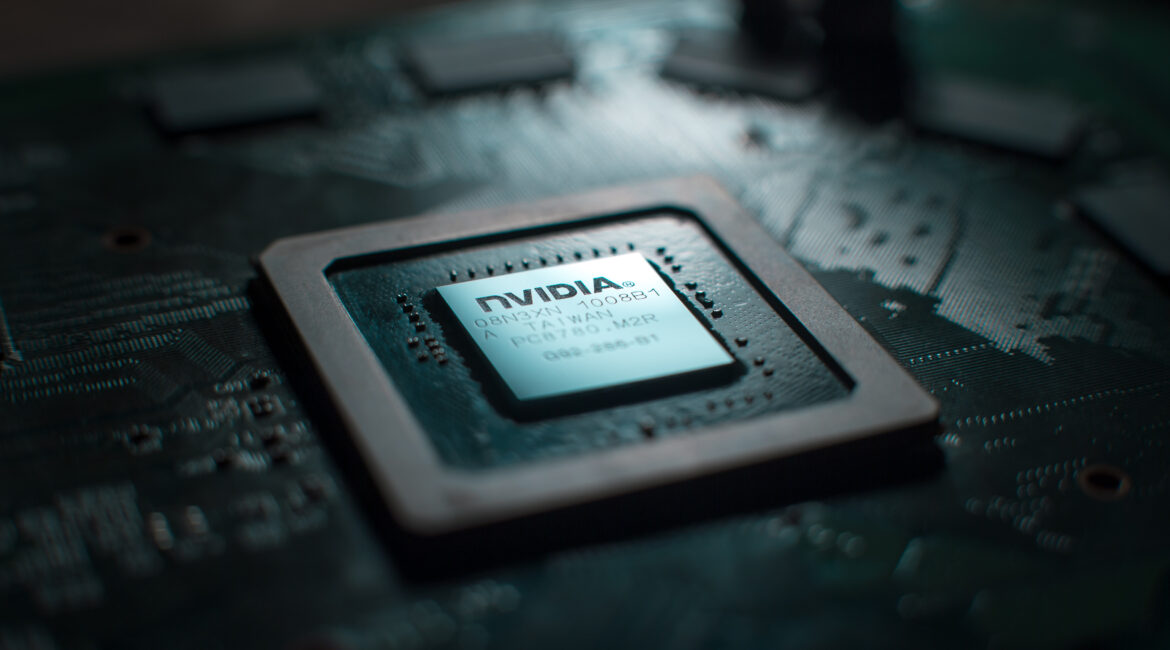
AI technology is transforming, with several major tech companies joining forces to address Nvidia’s strong presence in the artificial intelligence field.
Nvidia, a company valued at $2.2 trillion, has cemented its position as a leader in AI by providing essential chips and a comprehensive software ecosystem through its CUDA platform. This platform has become indispensable for over 4 million developers globally, enabling the creation of advanced AI applications. However, this dominance is now being questioned as a coalition of tech giants seeks to introduce more flexibility and choice into the AI hardware landscape.
Behind the plot to break Nvidia’s grip on AI by targeting software https://t.co/2GwS7i8Nzm
— Rappler (@rapplerdotcom) March 26, 2024
The UXL Foundation, supported by tech stalwarts such as Qualcomm, Google, and Intel, is at the forefront of this initiative. Their strategy involves leveraging Intel’s OneAPI technology to develop a suite of tools and software capable of supporting various AI accelerator chips. This open-source project aims to democratize AI development by ensuring that computer code can operate seamlessly across diverse hardware platforms. This move is particularly aimed at reducing the dependency on Nvidia’s software, thus opening up the market to more competition and innovation.
Moreover, the UXL Foundation is diligently working towards establishing technical specifications and refining the details to ensure the robustness and adaptability of their solutions. This approach is designed to attract contributions from a wide array of companies, thereby enriching the ecosystem with diverse capabilities that can cater to a broad spectrum of AI and high-performance computing applications.
Broadening the Ecosystem
In addition to the founding members, the UXL Foundation seeks to expand its influence by collaborating with cloud-computing giants such as Amazon.com and Microsoft’s Azure. This expansion is not just about adding more members to the consortium but about integrating a wide range of technical capabilities and insights that can collectively address some of the most challenging computing problems currently monopolized by a few key players.
Read more: UN Sets Global Standard with First AI Governance Resolution
The ultimate goal of the UXL Foundation is to cultivate a vibrant, open ecosystem where developers have the freedom to choose the hardware best suited to their needs without being constrained by software compatibility issues. This vision includes eventual support for Nvidia hardware, indicating a comprehensive approach that encompasses the broader AI development community.
Nvidia’s Response and Market Dynamics
In response to these developments, Nvidia has acknowledged the growing momentum in accelerated computing and the proliferation of new ideas within the ecosystem. This acknowledgment underscores the dynamic nature of the AI industry, where innovation and collaboration are key drivers of progress.