

Forex trading, also known as foreign exchange trading or currency trading, involves the buying and selling of currencies on the global financial market. As the world’s largest financial market, Forex operates 24 hours a day, five days a week, and is pivotal in facilitating international trade and investment.
This guide aims to equip you with the fundamental knowledge of Forex trading, covering essential terminologies, concepts, and basic strategies to help you navigate this vast financial landscape.
Read also: Comprehensive Guide to Futures Trading: Strategies, Risks, and Opportunities
What is Forex Trading?
At its core, Forex trading is the exchange of one currency for another, aiming to profit from changes in exchange rates. Unlike stocks or commodities, currencies are traded in pairs, meaning when you buy one currency, you are simultaneously selling another. For example, if you trade the EUR/USD pair, you are buying euros and selling US dollars.
Major Terms in Forex Trading
Navigating the Forex market requires a solid understanding of its foundational elements. Among these, currency pairs, pips, leverage, spread, and margin stand out as critical concepts that every trader should comprehend thoroughly.
Currency Pair: The Essence of Forex Trading
At the heart of Forex trading lies the currency pair, a concept representing the backbone of all trades in this market. A currency pair involves two currencies, with the first listed currency known as the base currency and the second as the quote currency. For instance, in the EUR/USD pair, EUR (Euro) is the base currency, and USD (US Dollar) is the quote currency.

This pairing indicates how much of the quote currency is needed to purchase one unit of the base currency. The value of a currency pair is constantly fluctuating, driven by economic factors, political conditions, and market sentiment, making the understanding of these pairs crucial for successful trading.
Pip: The Fundamental Unit of Measurement
The term “pip” stands for “percentage in point” and serves as the smallest possible price movement in the trading of currency pairs. For most currency pairs, a pip is equivalent to a movement in the fourth decimal place, except for those involving the Japanese yen, where a pip represents a change in the second decimal place.
This precision allows traders to measure even the slightest fluctuations in exchange rates, which is crucial for developing strategies and making informed decisions. The value of a pip varies depending on the size of the trade and the currency pair being traded, emphasizing the need for traders to have a clear understanding of pips in calculating potential profits and losses.
Leverage: Maximizing Potential with Caution
Leverage is a powerful tool in Forex trading, enabling traders to control larger positions with a comparatively small amount of capital. It borrows capital for trading, amplifying both potential profits and losses. While leverage can significantly increase the return on investment, it also raises the risk of higher losses, making it imperative for traders to use leverage wisely. Understanding the concept of leverage and its impact on trading positions is crucial for effective risk management and ensuring long-term success in the Forex market.
What is Leverage in Forex ?
In forex trading, leverage refers to the ability to control a large position in the market with a relatively small amount of capital. It allows traders to amplify their potential profits (and losses) by using borrowed funds from their broker.
For…
— Ọ𝗹á 𝗗𝗮𝗻𝗶𝗲𝗹 ♖ (@CableAnalyst) March 14, 2024
Spread: The Cost of Trading
The spread represents the difference between the bid (sell) price and the ask (buy) price of a currency pair. It is the broker’s commission for executing the trade and varies from one broker to another and across different currency pairs. A narrower spread signifies less cost to the trader, making it a critical factor in selecting currency pairs and brokers. Understanding spreads is essential for traders in planning entry and exit points for their trades, affecting the overall profitability of trading strategies.
Margin: The Key to Leveraged Trading
Margin is closely related to leverage; it is the amount of capital required in a trader’s account to open and maintain a leveraged trading position. Margin is not a transaction cost but rather a security deposit that brokers hold to cover the risk of the trade. It is a fraction of the full value of the trade and is determined by the amount of leverage used.
Margin trading allows for greater exposure to the Forex market with a smaller initial investment. However, it also involves the risk of margin calls if the market moves against the trader’s position, necessitating a thorough understanding of margin requirements and proper risk management strategies.
How Forex Trading Works
Forex trading functions within an expansive network comprising banks, corporations, and individual traders, each exchanging currencies in a decentralized global market. This market, known as the over-the-counter (OTC) market, differs from traditional stock exchanges by lacking a centralized trading venue.
Instead, transactions occur directly between participants through the interbank market, facilitating 24-hour trading across various time zones. This continuous operation enables traders worldwide to react instantly to global economic events, making Forex not just the largest financial market by volume but also one of the most fluid and dynamic trading environments.
Analyzing the Forex Market
Analyzing the Forex market is a crucial skill for traders, offering insights into potential future movements of currency pairs. This analysis falls into two main categories: fundamental and technical analysis, each providing a different perspective on market dynamics.
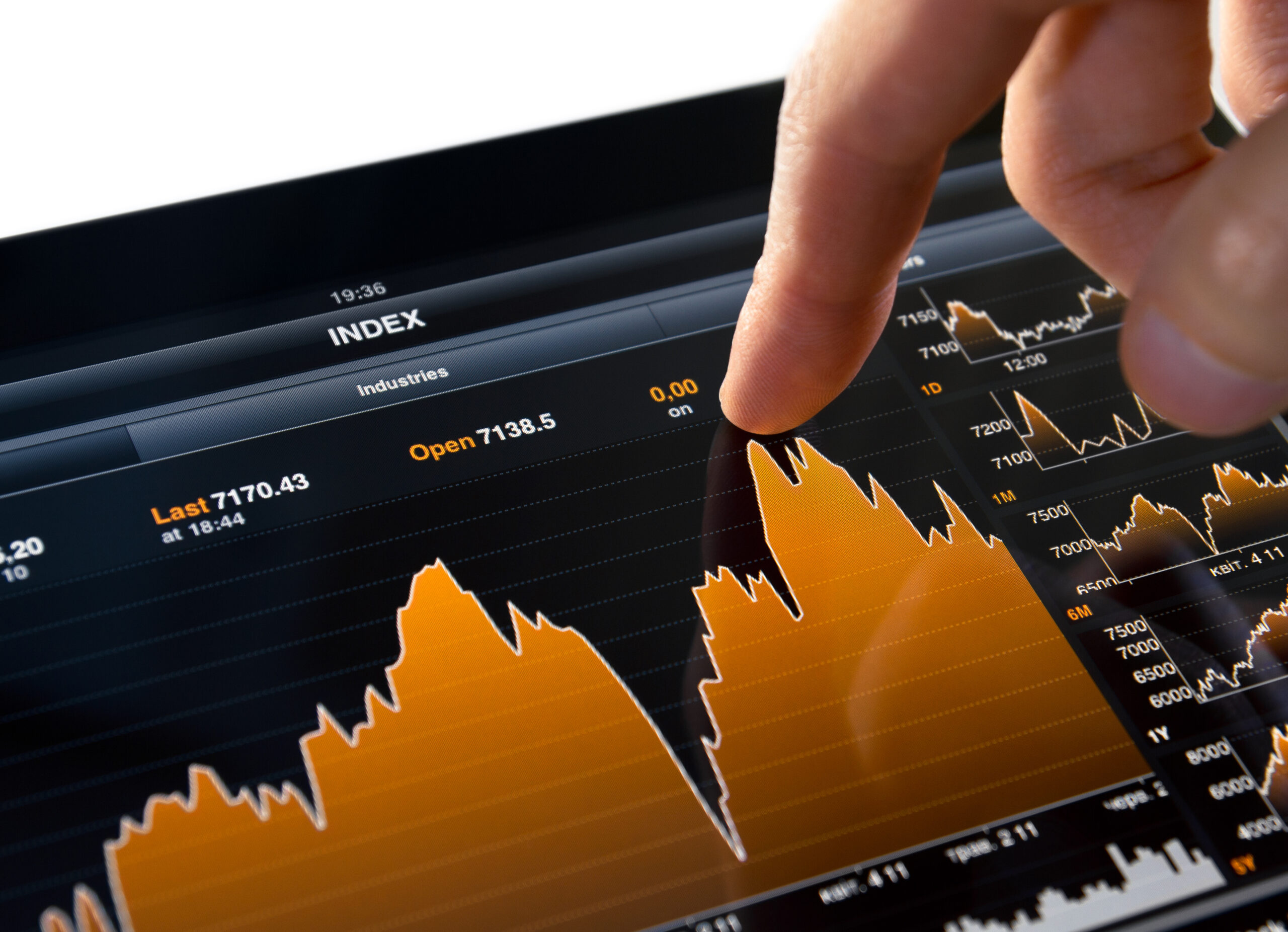
- Fundamental analysis delves into the economic health of countries to forecast currency movements. It examines various economic indicators such as Gross Domestic Product (GDP) growth, interest rates, inflation rates, and political stability. For instance, a country with a growing economy characterized by high GDP growth, controlled inflation, and rising interest rates is likely to have a strengthening currency. This is because investors seek the higher returns available in that country, increasing demand for its currency. Political stability also plays a crucial role, as it affects investor confidence and can lead to currency appreciation or depreciation.
- Technical analysis, on the other hand, is based on the premise that historical price movements and patterns can indicate future price behavior. Traders use price charts and various statistical indicators to identify trends, support, and resistance levels, as well as chart patterns. Support levels are where prices tend to stop falling, and resistance levels are where prices tend to stop rising. Identifying these levels can help traders make predictions about where prices are headed next. Technical analysts also use indicators like moving averages and Relative Strength Index (RSI) to gauge market momentum and identify potential entry and exit points.
For a deeper understanding of technical analysis, check out the guide on TechTinypen.
Starting with Forex Trading
Embarking on the journey of Forex trading requires a strategic approach to navigate the volatile markets successfully.
- The first step in this endeavor is education. The complexity and nuances of the Forex market demand a solid understanding of trading principles and mechanisms. Many brokers facilitate this learning curve by offering demo accounts. This allows novices to simulate trading scenarios with virtual funds, providing a risk-free environment to hone skills and strategies.
- Selecting a reputable broker is equally critical. The integrity and reliability of your broker are paramount, given the lack of a centralized exchange in Forex trading. Regulated brokers, authorized by significant bodies like the Financial Conduct Authority (FCA) in the UK or the Securities and Exchange Commission (SEC) in the US, offer a layer of security and transparency. When choosing a broker, compare not just their fees and spreads but also evaluate the robustness of their trading platforms and the quality of customer support.
- Developing a personalized trading strategy is the next pivotal step. This strategy should align with your risk tolerance, the amount of time you can dedicate to trading, and your financial objectives. Whether you lean towards technical analysis, with its charts and statistical indicators, your approach should be well-informed and deliberate. Alternatively, if you prefer fundamental analysis, which interprets economic indicators and news events, ensure your strategy is equally guiding your trading decisions.
- Lastly, effective risk management is crucial. Understand the risks, particularly when trading on leverage, as it can amplify both gains and losses. Implementing stop-loss orders to cap potential losses and deciding on the maximum amount you’re willing to risk on a single trade can safeguard against volatile market movements. This disciplined approach to trading is essential for successfully navigating the Forex market’s complexities.
Common Strategies in Forex Trading
Forex trading strategies are diverse, each with its unique approach and level of risk tolerance. Among them, four stand out for their popularity and effectiveness: Day Trading, Swing Trading, Position Trading, and Scalping.
- Day Trading is characterized by its fast pace, with traders making multiple transactions within a single day to capitalize on minor price fluctuations. This strategy requires constant market monitoring and quick decision-making to seize short-term opportunities. Day traders aim to close all positions before the market closes, avoiding overnight risks and benefiting from small, frequent gains.
- Swing Trading takes a slightly longer view, targeting gains from currency pair movements over several days to weeks. Swing traders leverage technical analysis to identify potential price trends and entry/exit points. This strategy requires patience and a good understanding of market momentum, offering a balance between the rapidity of day trading and the long-term approach of position trading.
- Position Trading is the antithesis of day trading, focusing on long-term investments. Traders hold positions for months or years, basing decisions on fundamental analysis and long-term trends. This approach demands a deep understanding of the economic factors that influence currency values and a higher tolerance for market volatility, aiming for substantial profits over time.
- Scalping is the most frantic strategy, involving numerous trades within a day to “scalp” small profits from minimal price changes. Scalpers thrive on the high volume, leveraging the market’s liquidity to make profits off slight movements. This strategy requires intense concentration and swift execution, making it suitable for those who can dedicate the time and focus needed to manage the rapid-fire trades.
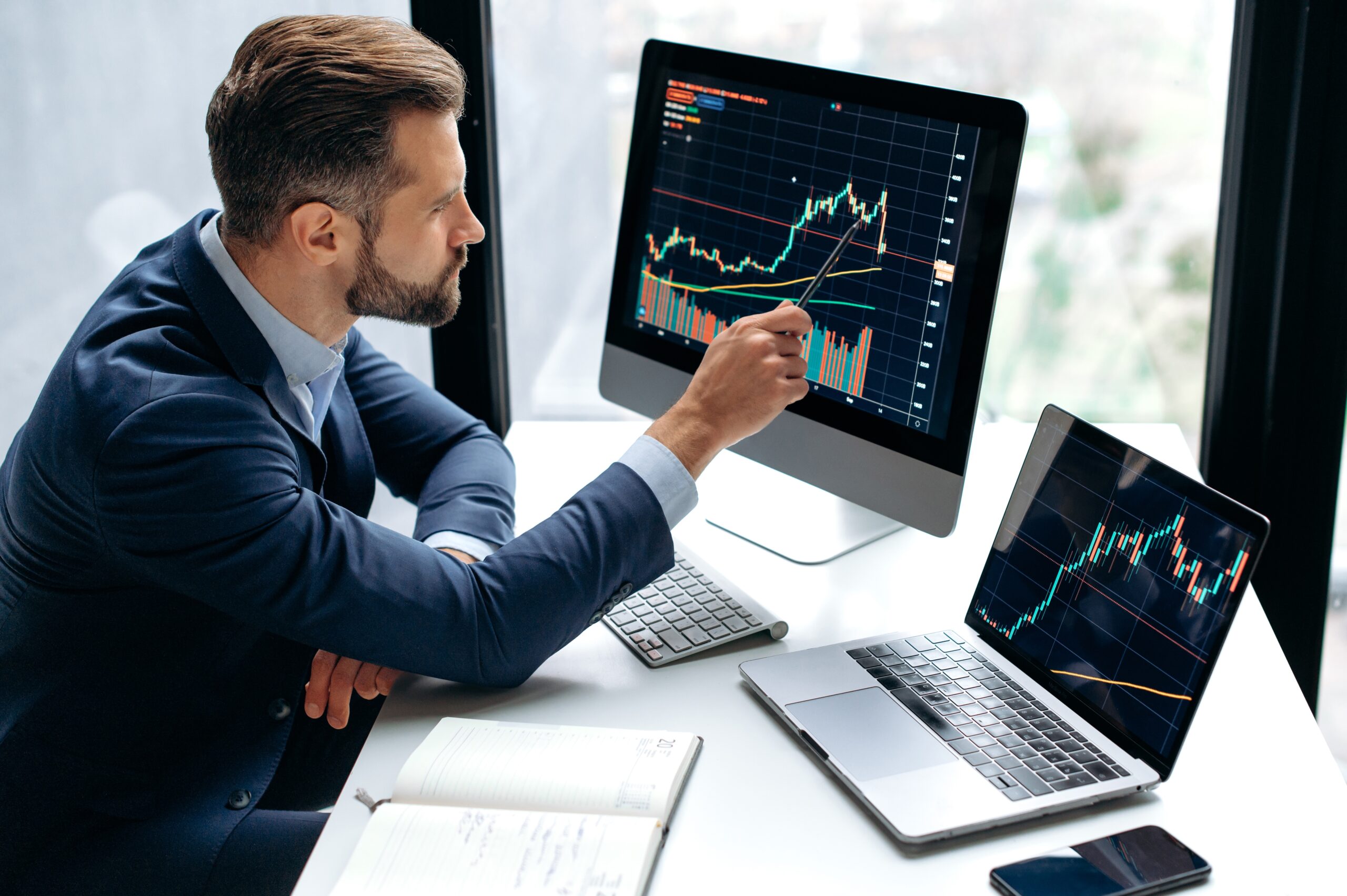
Each of these strategies offers different pathways to profitability in the Forex market, tailored to various trader profiles, from the high-speed scalper to the patient position trader.
Risks and Challenges
Forex trading, while offering substantial profit opportunities, is inherently fraught with various risks that traders must navigate carefully. Among these, market risk, leverage risk, and interest rate risk stand out as significant factors that can affect the outcome of trades.
- Market risk, or the volatility in currency prices, can lead to unpredictable and often swift changes in exchange rates. A multitude of factors, including economic indicators, geopolitical events, and market sentiment, influence this volatility. As a result, currency values can fluctuate rapidly, impacting traders who might find themselves on the wrong side of a trade.
- Leverage risk magnifies both potential profits and losses. While leverage allows traders to control a large position with a relatively small amount of capital, it also means that even minor changes in currency values can lead to substantial losses, potentially exceeding the initial investment.
- Interest rate risk stems from the impact of changes in a country’s interest rates on the value of its currency. As central banks adjust interest rates to control inflation or stimulate the economy, currencies can appreciate or depreciate significantly. Traders must stay informed about global economic trends and central bank policies to manage this risk effectively.
- Forex trading demands continuous learning and adaptation. As global economic conditions evolve, strategies that once proved successful may no longer be viable. Successful traders are those who remain vigilant, continuously educate themselves and adapt their strategies to navigate the ever-changing forex market landscape.
Conclusion
Forex trading offers a dynamic and potentially profitable investment opportunity, but it requires a thorough understanding of the market, disciplined risk management, and continuous education. By familiarizing yourself with the basic concepts and terminologies, starting with a clear strategy, and always being aware of the risks involved, you can begin your journey into Forex trading with greater confidence and clarity. Remember, success in Forex trading doesn’t come overnight but through consistent effort, learning, and adapting to the market dynamics.