Key Insights:
- Fed keeps rates unchanged but shows rare internal division as inflation concerns remain strong and persistent.
- The majority of policymakers support holding or raising rates while only one member backs a rate cut.
- Fed updates inflation language and flags rising energy prices linked to Middle East tensions and uncertainty.
- No easing bias signals caution as policymakers monitor inflation trends and global risks affecting economic stability.
The U.S. Federal Reserve kept interest rates unchanged on April 29, 2026, but internal divisions and rising inflation concerns drew attention. Officials pointed to global tensions and energy costs as key factors shaping the current outlook.
Fed Holds Rates but Signals Internal Divide
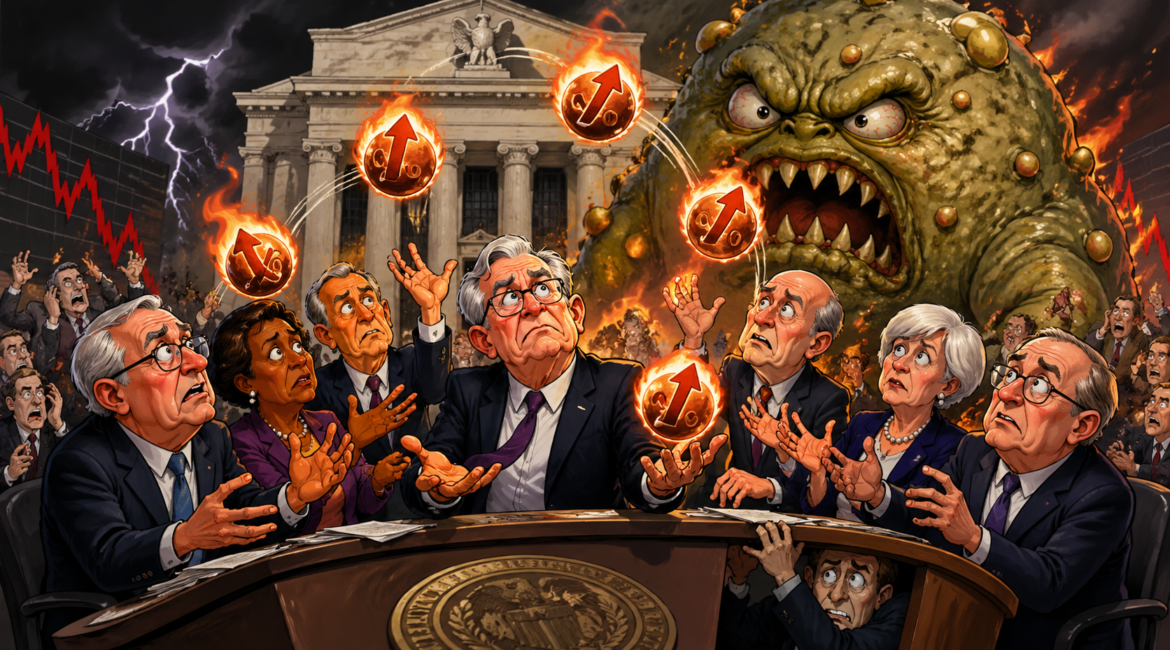
The Federal Reserve left rates unchanged for the third straight meeting, maintaining its current policy stance. However, the decision showed rare disagreement among policymakers. Four members dissented, marking the first such split since 1992. This level of division reflects differing views on inflation and economic direction.
Three members also opposed including an easing bias in the official statement. This signals caution within the committee. Some officials appear reluctant to suggest future rate cuts. DeFiTracer indicates that 11 out of 12 members support either holding or raising rates. Only one member reportedly favored a rate cut at this time.
Statements from Chair Jerome Powell pointed to external pressures affecting decisions. He said that ”the Middle East conflict forces the Fed to hike rates now”. This remark connects global events with domestic monetary policy. It also explains the cautious tone in the latest statement.
Inflation and Energy Costs Remain Central Focus
The Fed adjusted its language on inflation in the latest release. This change reflects continued concern about price stability. It also suggests that inflation remains above the desired level.
Energy prices were also mentioned as a concern in the statement. Rising costs in this sector can affect many parts of the economy. KobeissiLetter noted that Middle East developments are adding uncertainty. They stated that these events are contributing to a “high level of uncertainty”.
Market observers note that the Fed appears prepared for ongoing inflation pressure. The lack of an easing signal suggests that rate cuts may not come soon. At the same time, the division among members shows that future decisions may remain complex.
The combination of steady rates, internal disagreement, and global risks sets the tone for upcoming meetings. Policymakers continue to monitor data closely, and they weigh both domestic and international factors in their decisions.