
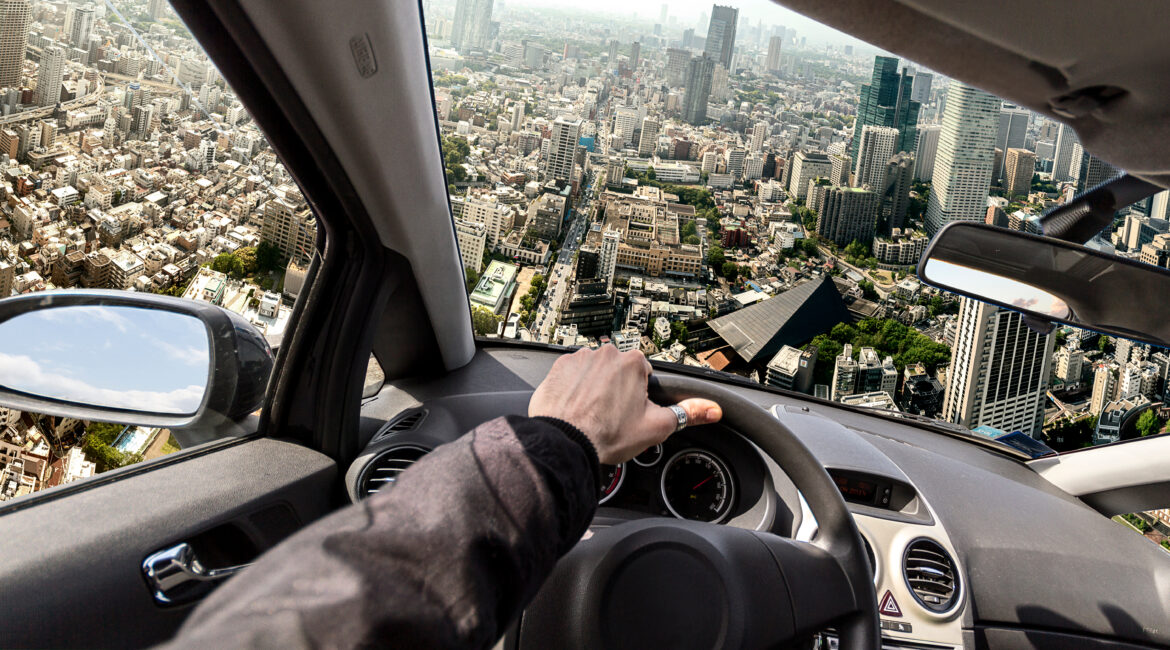
The AirCar, a hybrid vehicle that seamlessly transitions between a car and an aircraft, is setting the stage for a new era in personal transportation.
Initially developed by Slovak company KleinVision and test-flown successfully in 2021, the AirCar’s technology has now been acquired by Hebei Jianxin Flying Car Technology Company, a Chinese firm headquartered in Cangzhou.
Slovakian-Built AirCar to Start Production in China with BMW Engine
– Zoe Kleinman #aviation https://t.co/n7GBFnKHDUhttps://t.co/OZW58lB4Up— Hype (@HypeAviation) March 27, 2024
From European Innovation to Chinese Adaptation
The AirCar represents a groundbreaking concept in transportation. It is equipped with a BMW engine and operates on conventional fuel. Notably, the AirCar achieved a milestone by flying for 35 minutes between two Slovakian airports. This vehicle stands out with its ability to transform from car to aircraft in just over two minutes, requiring runways for take-off and landing. Unlike other emerging flying transport solutions, the AirCar does not support vertical take-off and landing, aligning more with traditional aircraft operations.
Hebei Jianxin plans to utilize the AirCar design within a specific geographical area in China, having also established its own airport and flight school. This move signifies China’s accelerating interest in innovative transportation solutions, having already made strides in the electric vehicle market.
The acquisition of the AirCar technology by a Chinese firm reflects the country’s broader ambitions in the flying transport sector. Recent achievements include Autoflight’s successful test flight of a passenger-carrying drone and eHang’s receipt of a safety certificate for its electric flying taxi. However, these drone-like aircraft contrast with the AirCar’s need for a runway.
Regulatory and Public Acceptance Challenges
While the technological feats are impressive, considerable challenges remain, particularly in terms of infrastructure, regulation, and public acceptance. Global attempts to regulate this emerging sector raise questions about how these new machines will fit into existing categories and systems.
Read Also: Ethereum Holds Steady Near $3,600: A Technical Look at Current Price Movements
Aviation consultant Steve Wright notes that while prototypes like the AirCar are exciting, the practical application of such technology may face mundane challenges, like queues and baggage checks. However, the leap from electric cars to flying cars suggests potential for a transformative impact on personal transportation, similar to China’s rise in the electric car market.
The AirCar’s journey from Europe to China marks not just a business transaction, but a pivotal moment in the quest for innovative transportation solutions, poised to reshape our conception of personal mobility in the skies.