
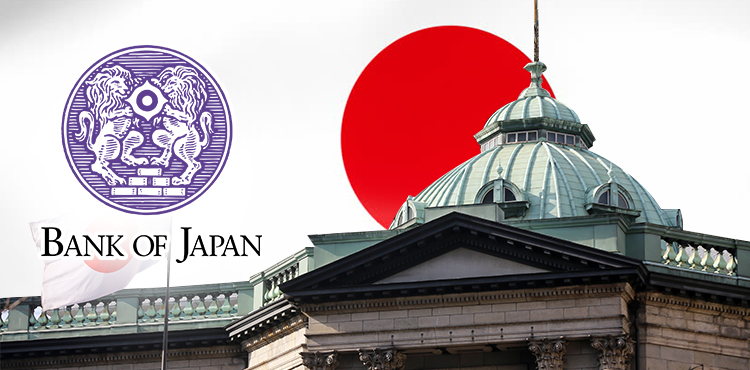
Key Insights:
- BoJ may raise interest rates to 0.75%, the highest level in nearly three decades.
- Japan’s inflation remains at 3%, pushing the bank to review its monetary stance.
- Rising wages are supporting the case for ending ultra-loose monetary policy.
- A stronger yen could shake up global carry trades and investment strategies.
The Bank of Japan is expected to raise its benchmark interest rate by 25 basis points to 0.75%. If confirmed at its December 18 to 19 policy meeting, this would be the central bank’s first rate increase in nearly a year.
This would also mark Japan’s highest policy rate in around 30 years. The market has been watching for a shift in Japan’s long-standing easy monetary stance. Analysts note this move would further distance the BoJ from its ultra-loose policy framework.
Rising Inflation and Wage Growth Drive Policy Change
Japan’s core inflation is around 3%, which remains above the central bank’s target of 2%. This ongoing price pressure has raised concerns about the need to tighten policy further.
Wage growth is showing persistence for the first time in years. Larger firms in Japan have agreed to raise wages, and smaller businesses are beginning to follow. A BoJ official recently said, “If wages continue to rise, the conditions for policy change are likely to be met.”
🇯🇵 BANK OF JAPAN SET TO HIKE RATES
Markets expect the BoJ to raise rates by 25 bps to 0.75% at the Dec 18–19 meeting.
This would mark:
• The first hike in 11 months
• The highest policy rate in ~30 years
• A clear step away from ultra-easy policyWhy it matters:
• Core… pic.twitter.com/PbwWHV8Lpc— Giannis Andreou (@gandreou007) December 15, 2025
These economic changes are being monitored closely by the central bank. Although Japan has long struggled with deflation, recent shifts suggest more sustainable domestic demand and price pressures.
Market Reaction and Currency Movements
The Japanese yen has gained strength in recent weeks, partly due to growing expectations of a policy shift. A stronger yen tends to reduce the appeal of the currency as a funding source for carry trades.
Global investors often borrow in yen due to its low rates and invest in higher-yielding assets elsewhere. If the BoJ moves forward with a hike, this strategy may become less attractive.
Japanese government bond yields have also risen in anticipation of tighter policy. The 10-year yield touched multi-year highs, reflecting investor expectations for future rate hikes.
Possible Global Effects of BoJ’s Policy Shift
Moreover, any move by the Bank of Japan often affects financial markets worldwide. Japan has long been viewed as a stable source of cheap capital. Changes in Japan’s rate outlook could affect global bond markets, equity flows, and even digital asset pricing. Investors are closely watching the upcoming meeting for further signals.
Major central banks have already adjusted policy in response to inflation, and Japan could now be joining that path. The BoJ decision may not only affect domestic borrowing costs but could also shift the global financial landscape.