
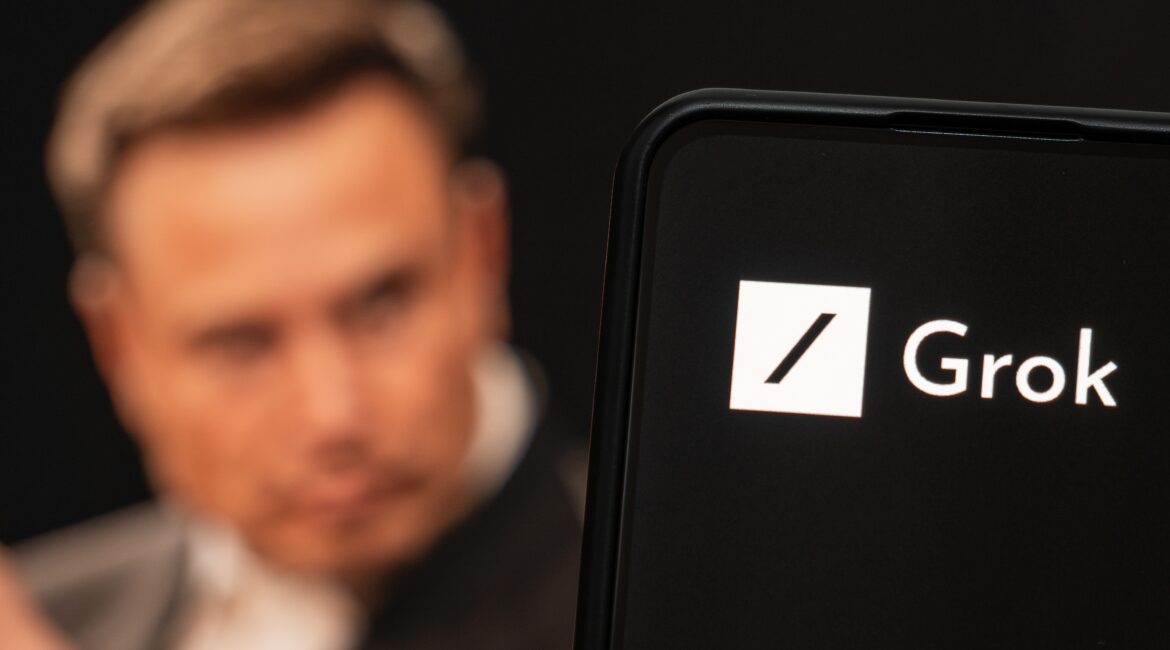
Elon Musk has taken a step in the realm of artificial intelligence by making the source code of his AI chatbot, Grok, accessible to the public.
According to a New York Times report, Grok, known for its witty responses reminiscent of “The Hitchhiker’s Guide to the Galaxy,” is now at the forefront of a crucial debate on the open sourcing of AI technology.
Grok weights are out under Apache 2.0: https://t.co/9K4IfarqXK
It's more open source than other open weights models, which usual come with usage restrictions.
It's less open source than Pythia, Bloom, and OLMo, which come with training code and reproducible datasets. https://t.co/kxu2anrNiP pic.twitter.com/UeNew30Lzn
— Sebastian Raschka (@rasbt) March 17, 2024
Moreover, the integration of Grok with X, a social media platform, distinguishes it from other AI chatbots. This feature allows premium subscribers of X to interact directly with Grok, adding a layer of engagement through its unique, witty responses. This integration highlights Musk’s strategy to blend AI innovation with social media dynamics, enhancing user experience.
Read also: Microsoft Points to Google’s AI Advantage in EU Consultation
By making Grok’s code open-source, Musk challenges the prevailing norms within the AI community regarding transparency and accessibility of AI technologies. This action raises important questions about the balance between fostering innovation through community collaboration and the risks associated with the potential misuse of open AI technologies.
Musk’s Advocacy for Open-Sourcing
Musk’s commitment to open sourcing is not new; he previously made the recommendation algorithm for X available to the public. However, the release of Grok’s code is a more pronounced step into the open-source arena, signaling his belief in the value of community-driven development in AI.
Still work to do, but this platform is already by far the most transparent & truth-seeking (not a high bar tbh) https://t.co/2Y6rKeZsRL
— Elon Musk (@elonmusk) March 17, 2024
Musk’s open-source initiative with Grok positions him distinctively in the competitive landscape of AI development. This approach could democratize AI innovation, allowing smaller developers and companies to contribute to and benefit from Grok’s foundational technology. It’s a bid to catalyze wider participation in AI development, challenging the more guarded strategies of established tech giants.
The Broader Impact on AI Development
The decision to open-source Grok’s code is more than a technical move; it’s a statement about the future Musk envisions for AI. He posits a landscape where AI development is collaborative and transparent, counter to the trend of proprietary advancements by leading tech firms. This vision for AI aligns with broader calls within the tech community for ethical development practices that prioritize safety and inclusivity.
Editorial credit: lilgrapher / Shutterstock.com